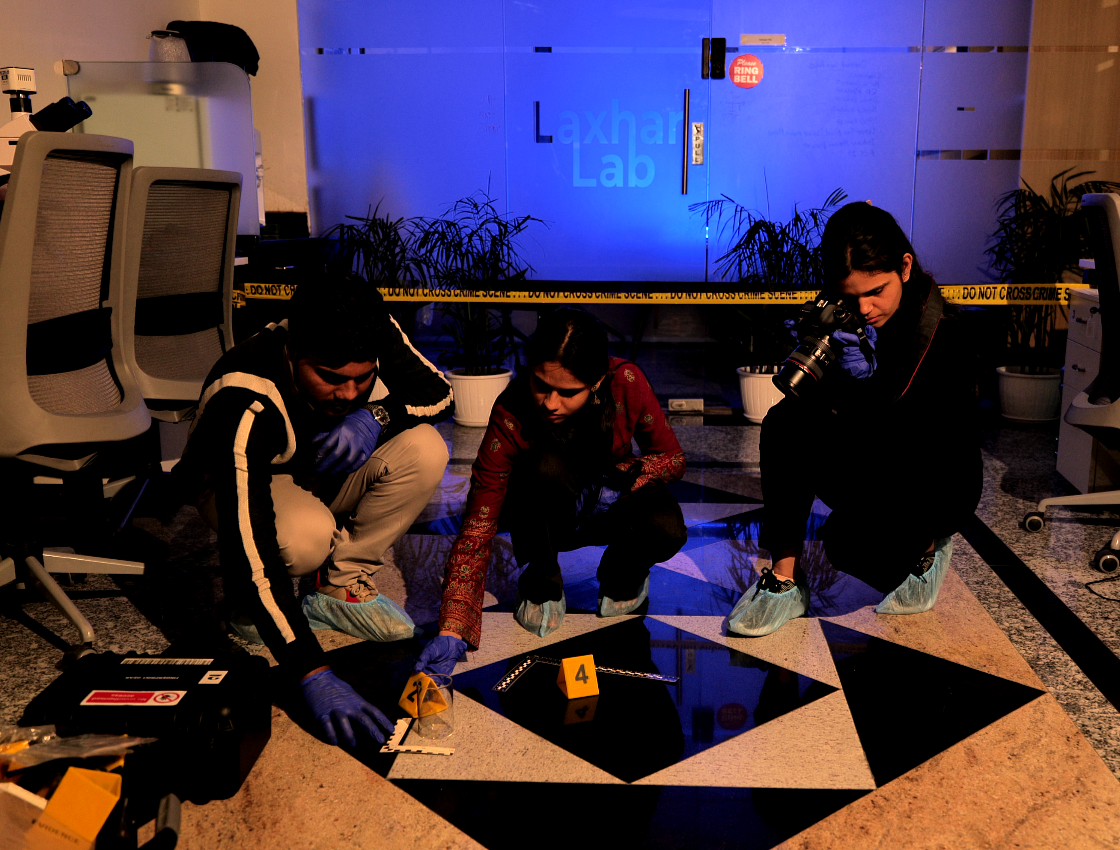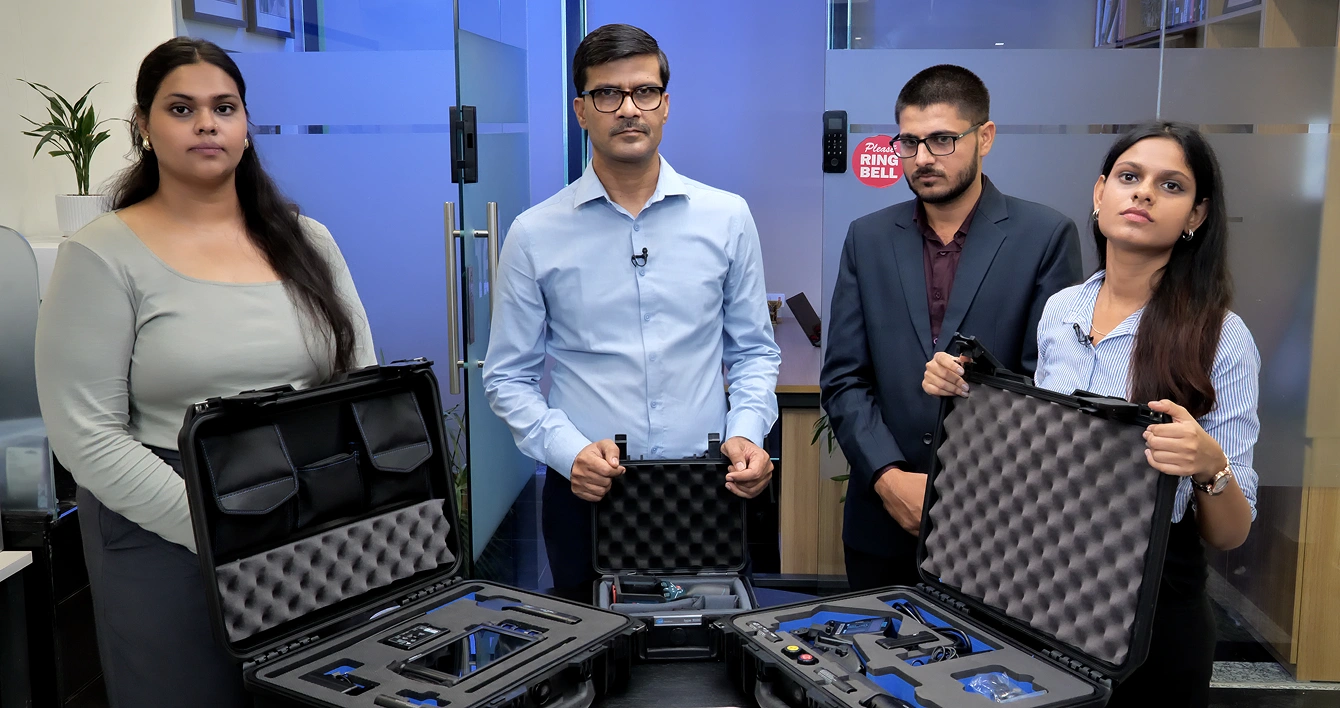

From Solving Crimes to Preventing Them
For decades, forensic science has been viewed as a discipline that comes into action after a crime, dispute, accident, or fraud has already occurred. Investigators collect evidence, forensic experts analyze it, and courts use the findings to establish facts.
However, the future of forensic science is changing rapidly.
The next generation of forensic practice is not merely about investigating incidents—it is about preventing them. This emerging approach is known as Preventive Forensics.
What is Preventive Forensics?
Preventive Forensics is the proactive application of forensic science, technology, risk assessment, and evidence management techniques to identify vulnerabilities, detect threats, and prevent incidents before they occur.
Instead of asking:
“What happened?”
Preventive Forensics asks:
“What could happen, and how can we stop it?”
The objective is to minimize legal, financial, reputational, operational, and security risks before they turn into major crises.
Why the World Needs Preventive Forensics
Modern society is becoming increasingly digital and interconnected. Organizations face numerous threats such as:
- Cyberattacks
- Data breaches
- Corporate fraud
- Deepfake manipulation
- Workplace misconduct
- Intellectual property theft
- Financial crimes
- Reputation attacks
- Evidence tampering
Traditional forensic investigations begin after damage has already occurred. By that time, financial losses, reputational harm, and legal complications may be irreversible.
Preventive Forensics aims to stop these incidents at an early stage.
The Pillars of Preventive Forensics
1. Risk Assessment
Forensic experts identify vulnerabilities within an organization’s systems, processes, and digital infrastructure.
2. Evidence Readiness
Organizations establish systems to preserve and document potential evidence before any incident occurs.
This ensures:
- Faster investigations
- Stronger legal admissibility
- Reduced evidence loss
3. Digital Monitoring and Threat Detection
Advanced tools help identify unusual activities that may indicate fraud, insider threats, or cyber intrusions.
4. Policy and Compliance Audits
Forensic professionals review existing policies and procedures to ensure compliance with legal and regulatory requirements.
5. Training and Awareness
Employees are trained to recognize threats, preserve evidence, and report suspicious activities appropriately.
Applications of Preventive Forensics
Corporate Sector
Companies can use preventive forensic strategies to:
- Detect internal fraud
- Prevent data theft
- Protect intellectual property
- Reduce compliance risks
- Strengthen corporate governance
Government Agencies
Government departments can:
- Protect sensitive information
- Enhance digital security
- Improve transparency
- Strengthen anti-corruption mechanisms
Financial Institutions
Banks and financial organizations can:
- Detect suspicious transactions
- Prevent financial fraud
- Improve forensic audit readiness
- Reduce operational risks
Educational Institutions
Universities and schools can:
- Address cyber threats
- Prevent examination fraud
- Protect student data
- Ensure digital integrity
Media and Journalism
Preventive forensic practices can:
- Verify digital content
- Detect manipulated media
- Counter misinformation
- Authenticate evidence before publication
The Rise of Evidence Readiness
One of the most important concepts in Preventive Forensics is Evidence Readiness.
Evidence readiness means creating systems, policies, and procedures that ensure relevant evidence is available, preserved, and legally admissible whenever required.
Organizations that are evidence-ready:
- Resolve disputes faster
- Reduce investigation costs
- Strengthen legal defenses
- Improve decision-making
In the future, evidence readiness may become as important as cybersecurity and compliance.
Artificial Intelligence and Preventive Forensics
Artificial Intelligence is accelerating the growth of preventive forensic capabilities.
AI-powered systems can:
- Detect anomalies in large datasets
- Identify suspicious behavior patterns
- Monitor digital environments in real time
- Detect deepfakes and manipulated content
- Predict emerging risks
The combination of AI and forensic science is transforming investigations from reactive processes into proactive risk management systems.
Preventive Forensics: A New Career Opportunity
The growing demand for risk management and digital trust is creating new opportunities for forensic professionals.
Future forensic experts will not only investigate crimes but will also work as:
- Risk Analysts
- Digital Trust Advisors
- Forensic Auditors
- Compliance Consultants
- Cyber Forensic Specialists
- Evidence Management Experts
- Corporate Investigation Advisors
This shift opens a vast private-sector market beyond traditional government forensic laboratories.
The Road Ahead
The future of forensic science lies beyond laboratories and crime scenes. It lies in boardrooms, data centers, government offices, financial institutions, educational campuses, and digital platforms.
Organizations no longer want only answers after an incident occurs—they want solutions that prevent incidents from happening in the first place.
Preventive Forensics represents this transformation.
It is the evolution of forensic science from an investigative tool to a strategic risk-management discipline.
The future forensic expert will not simply uncover the truth after a crisis. They will help prevent the crisis altogether.
Preventive Forensics is not just the future of forensic science—it is the future of trust, security, and resilience.