
Forensic Exit Audit
Studies and industry trends indicate that nearly 70% of intellectual property theft, sensitive data leakage, and insider fraud incidents occur during the employee exit phase. In today’s digital environment, a simple device handover or account deactivation cannot fully protect organizations from hidden risks


Forensic Litigation Assurance
In modern litigation, evidence is no longer limited to paper documents and witness statements. Today’s disputes involve digital records, electronic communications, mobile data, CCTV footage, metadata, cloud activity, Forge papers, forge records, and technical evidence that can be easily challenged, manipulated, or rejected if not scientifically validated.
Forensic Security Audit & Assurance
Modern threats no longer exist only inside networks. Today’s organizations face a dangerous combination of cyber intrusion, insider threats, covert surveillance, hidden recording devices, unauthorized data movement, and executive espionage.


Forensic Case Consultancy
In today’s complex legal, corporate, and digital environment, cases increasingly depend on technical evidence, electronic records, questioned documents, multimedia content, cyber artifacts, and scientific interpretation. Even a strong matter can weaken when evidence is not scientifically evaluated, properly preserved, or strategically interpreted.
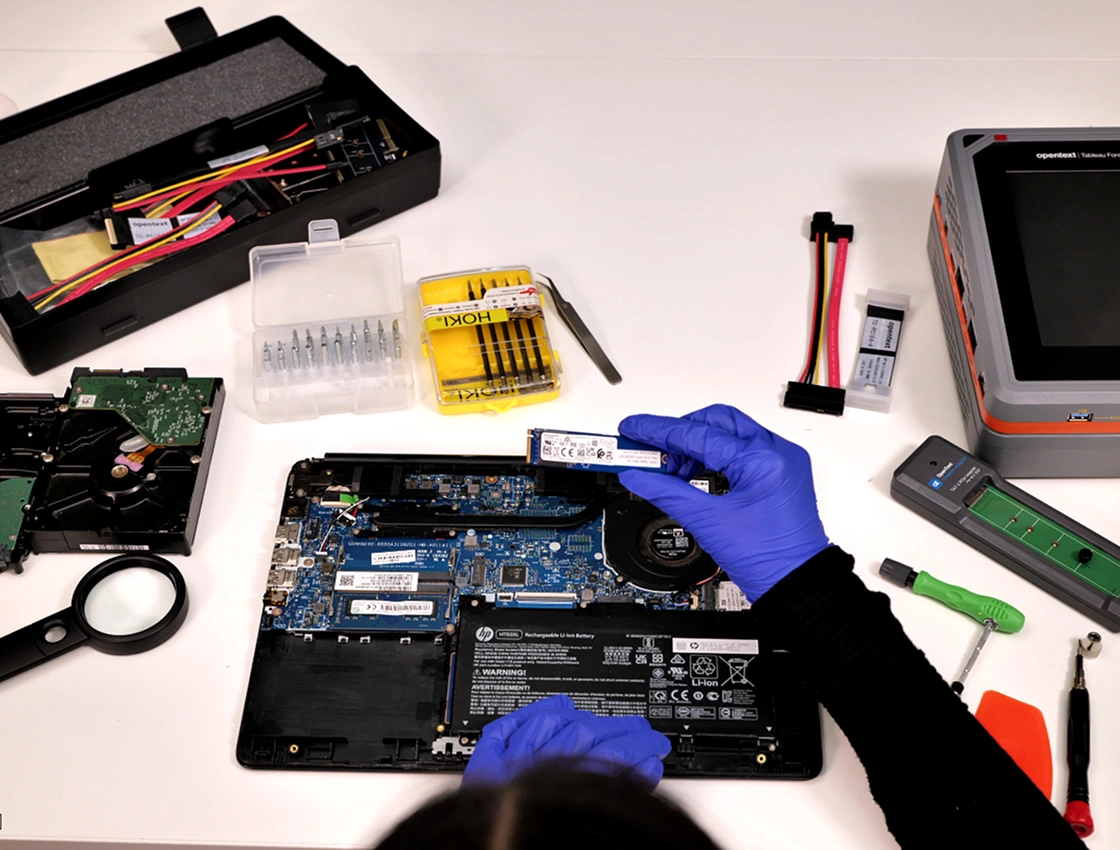
Forensic Investigation of Computers and Storage Media
In today’s digital ecosystem, computers and storage media are central to business operations, financial transactions, communication, intellectual property management, cybersecurity, and personal data storage. When disputes, cyber incidents, fraud, misconduct, or security breaches occur, digital systems often become the most critical source of evidence.

Mobile Forensic Investigation
In today’s connected world, mobile phones are no longer just communication devices — they are repositories of personal conversations, corporate data, financial transactions, location history, cloud access, multimedia evidence, and digital identities. When disputes, cyber incidents, fraud, or criminal activities occur, mobile devices often become the most critical source of evidence.
Indicator of Compromise (IoC) Investigation – iPhone & Android
In today’s digital environment, mobile phones are no longer just communication devices — they are targets for sophisticated spyware, surveillance malware, unauthorized tracking, credential theft, and state-grade cyber intrusions. Many compromises operate silently in the background without visible symptoms, leaving individuals and organizations exposed to espionage, financial fraud, privacy violations, and reputational risk.


Email & Cloud Forensic Investigation
In today’s interconnected digital ecosystem, emails and cloud platforms have become the backbone of corporate communication, financial transactions, legal documentation, collaboration, and data storage. At the same time, they have become primary targets for cyber fraud, business email compromise (BEC), phishing attacks, insider threats, unauthorized access, cloud breaches, and digital manipulation.
Multimedia Forensic Examination
In today’s digital world, multimedia evidence plays a critical role in investigations, litigation, corporate disputes, cybercrime, surveillance analysis, fraud detection, and personal conflicts. Audio recordings, CCTV footage, mobile videos, digital photographs, voice messages, and social media content are increasingly presented as evidence — but digital media can be manipulated, edited, fabricated, or misrepresented within seconds.


Forensic Document Authentication & Verification
In today’s legal, corporate, and financial environment, documents remain one of the most critical forms of evidence. Contracts, agreements, invoices, financial records, affidavits, property papers, cheques, and official communications are frequently challenged due to forgery, unauthorized alterations, fabrication, or manipulation.
Forensic Signature Comparison & Authentication
In legal, financial, and corporate transactions, a signature represents more than handwriting — it represents identity, consent, authorization, accountability, and legal intent. Forged, simulated, traced, or manipulated signatures can lead to financial fraud, contractual disputes, property conflicts, compliance violations, and criminal litigation.


Forensic Handwriting Examination, Comparison & Analysis
Handwriting is a unique behavioral pattern influenced by neurological coordination, writing habits, muscle memory, rhythm, movement, and individual characteristics. Even when a person attempts to disguise or alter their writing style, natural writing features often remain embedded within the strokes, spacing, proportions, pressure patterns, and movement structure.
Forensic Examination of Security Documents
Security documents are designed to establish identity, authorization, ownership, qualification, and legal validity. Educational certificates, identity cards, passports, licences, cheques, financial instruments, transactional records, banknotes and official documents often contain specialized security features intended to prevent counterfeiting and unauthorized duplication.


Forensic Fingerprint Examination
Fingerprints are one of the most reliable and scientifically accepted forms of personal identification. The uniqueness and permanence of friction ridge patterns make fingerprint evidence a powerful forensic tool for establishing identity, linking individuals to objects or locations, detecting fraud, resolving disputes, and supporting investigations.
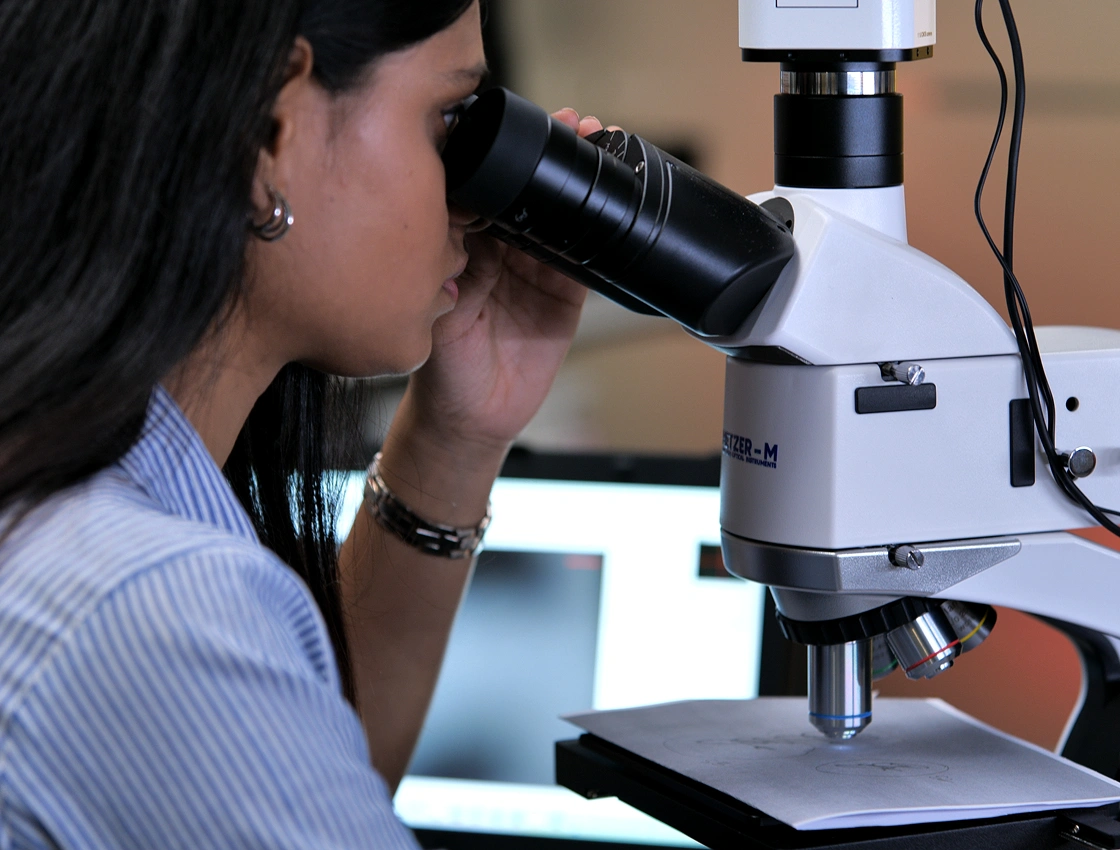
Forensic Fibre Examination
Fibres are among the most significant forms of trace evidence encountered in forensic investigations. During physical contact, movement, or interaction between individuals, objects, clothing, vehicles, furniture, or locations, microscopic fibres can transfer and persist unnoticed. These seemingly invisible traces often become critical scientific evidence linking people, environments, and events.

Forensic Crime Scene Investigation
A crime scene is more than a physical location — it is a silent repository of evidence, actions, movements, interactions, and hidden truth. Every fingerprint, fibre, footprint, biological trace, digital artifact, damaged object, or disturbed environment can provide critical scientific insight into what happened, how it happened, and who was involved.
Forensic Technical Surveillance Counter Measures (FTSCM)
In today’s interconnected environment, threats no longer exist only in cyberspace. Hidden microphones, covert cameras, GPS trackers, RF transmitters, spyware-enabled devices, unauthorized recording systems, and surveillance technologies can compromise confidential discussions, strategic operations, legal privilege, business negotiations, and personal privacy without visible signs of intrusion.


Forensic Tool Mark Investigation
In both industrial and criminal environments, physical evidence often carries the unique microscopic characteristics of the tools that created it. Unauthorized access, forced entry, mechanical sabotage, industrial tampering, product interference, and structural damage leave distinct impressions, striations, cuts, and marks that cannot be accurately interpreted through routine visual inspection alone.